

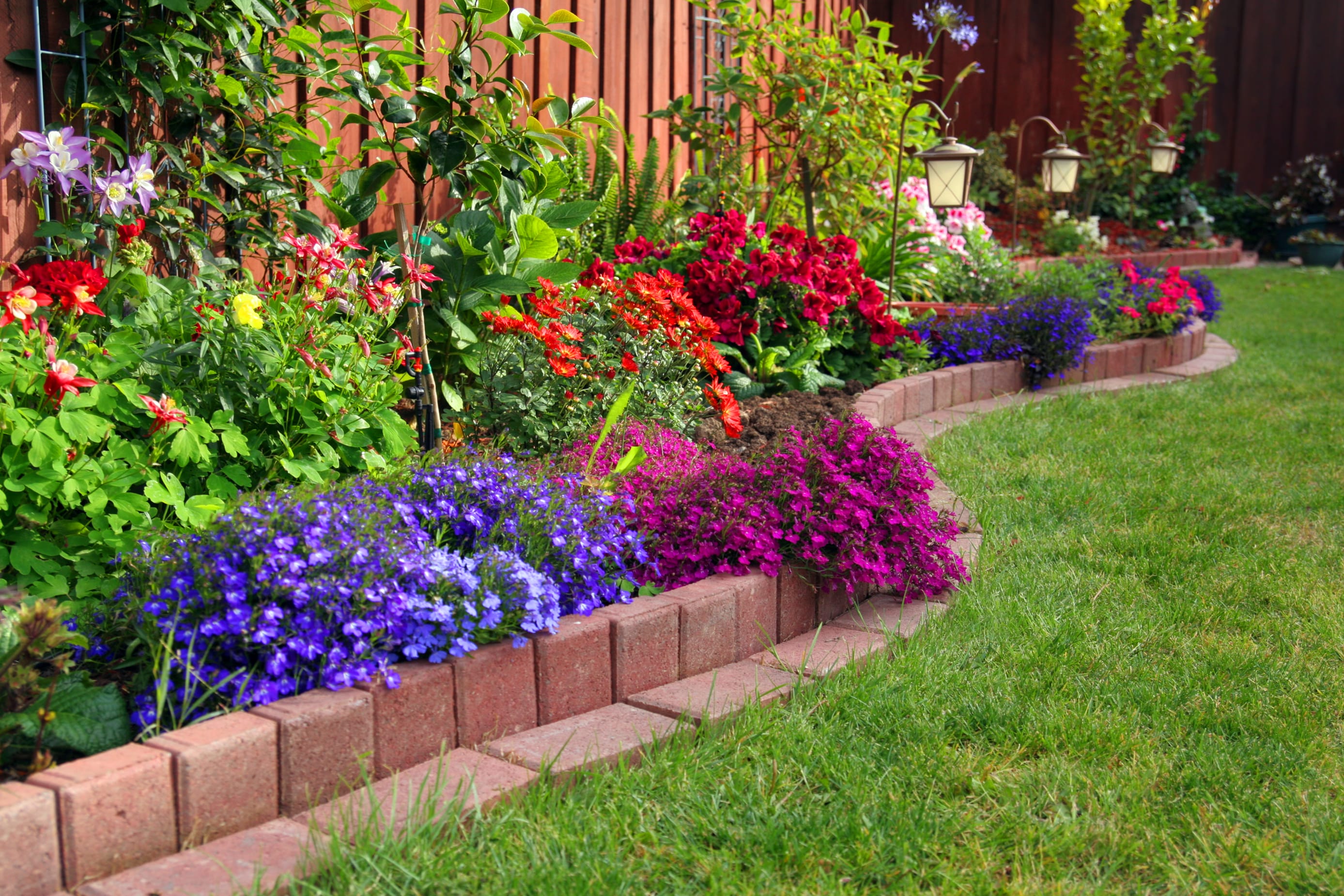
Creating a functional outdoor space requires more than a few chairs and a barbecue. It’s about turning your backyard into a harmonious extension of your home; one that reflects your lifestyle and adapts to different uses. Whether you enjoy dining al fresco, growing vegetables, or hosting family gatherings, garden zoning is the key to making your outdoor areas both practical and inviting.
This guide explores the principles of zoning, with tips on how to divide your backyard into purposeful spaces while maintaining visual flow, comfort, and sustainability.
What Is Garden Zoning and Why Is It Essential?
Garden zoning involves dividing a yard or landscape into distinct areas, each with a specific purpose such as relaxation, cooking, play, or gardening. The goal is to avoid a one-size-fits-all layout and instead create multiple “rooms” outdoors that serve both aesthetic and functional needs.
By clearly delineating areas for different activities, you reduce clutter and ensure every part of your yard is used to its full potential. This technique is especially effective for medium to large properties or those integrating multiple elements like patios, pergolas, or even inground pools.
Well-designed zoning doesn’t just add structure; it creates rhythm, improves comfort, and contributes to long-term usability. Even small yards benefit from thoughtful divisions that guide movement and frame views.
Planning Your Outdoor Space With Purpose
Before laying stones or planting hedges, take time to consider how you currently use your outdoor area and how you’d ideally like to enjoy it. Are you dreaming of a morning coffee nook? A shaded dining zone for evening meals? Or maybe a quiet retreat with a water feature and hammock?
Defining the purpose of each space, and envisioning the transitions between them, is the backbone of effective garden zoning. Consider factors like sunlight, shade, wind exposure, privacy, and proximity to your home’s interior rooms.
For example, a transitional patio located off the kitchen can serve as an outdoor dining room. Meanwhile, a grassy area further back might become a children’s play space or be reimagined as a lush planting bed.
Zoning Elements That Shape Your Backyard
Once your plan is defined, choose the physical elements that will help bring structure to your yard. These elements work not only as dividers but also as focal points, introducing layers and depth into your design.
Raised Terraces
Terracing a sloped yard instantly adds functionality by carving out level platforms for lounging or eating. Elevated zones can also serve as viewing decks, offering a perspective over the rest of your property or pool area. Decorative railings or planters around the edges provide both safety and style.
Trellises and Screens
Trellises are inexpensive yet visually impactful. They create division without enclosing a space completely and offer support for climbing plants like clematis or ivy. In more private areas, such as near a hot tub or sunken lounge, trellises combined with outdoor drapes or screening panels can block views while still allowing light and airflow.
Pergolas
These open-air structures are a classic feature in landscape zoning. A pergola above a seating area adds definition and shade while serving as a beautiful architectural anchor. It can be dressed up with lighting, vines, or weather-resistant fabrics for added ambiance.
Green Walkways
Garden paths made from stepping stones, wood planks, or gravel help guide movement between zones. In more elaborate settings, semi-covered walkways framed by hedges or arbor entrances can provide a sense of discovery and cohesion throughout the yard.
Table: Effective Zoning Features and Their Benefits
| Zoning Feature | Primary Function | Ideal Placement | Additional Benefits |
|---|---|---|---|
| Raised Terrace | Level seating or dining area | Sloped yards or corners | Adds dimension, improves drainage |
| Trellis | Visual screen, plant support | Between zones or borders | Inexpensive, lightweight, encourages climbing plants |
| Pergola | Architectural shade feature | Above dining/lounging zones | Enhances structure, adds focal point |
| Green Walkways | Direct movement, divide zones | Throughout property | Creates flow, defines space |
| Rockeries | Natural divider, low border | Around gardens or seating zones | Blends with plants, low maintenance |
The Role of Plants in Natural Zoning
Living materials play an essential role in garden zoning. Not only do they soften structural lines, but they also contribute to privacy, color, and seasonal interest.
Rockeries and Ground Covers
Rockeries made of natural stone can break up flat ground and frame specific zones. They’re ideal for surrounding small garden beds or water features and support drought-tolerant plants. Ground covers like creeping thyme or sedum can fill spaces between stones or walkways, adding texture underfoot.
Pleached Trees
These are trees trained into a hedge-on-stilts form, creating privacy screens with an elegant, structured look. Pleached trees can line a fence or frame a dining area without the bulk of solid fencing. Their vertical growth pattern also frees up space at ground level.
Water Features
A rill or bubbling fountain between zones can signal a transition and enhance sensory experience. The gentle sound of water masks background noise and adds tranquility to any garden retreat. When used alongside lighting, water features can double as focal points after dark.
Designing Spaces for Daily Life
Play Zones for Children
When including a kids’ area, safety is paramount. Use soft surfacing like artificial turf or rubber mulch, and place this zone within view of seating areas. Avoid placing it near grills or ponds. Incorporating small storage sheds or benches with hidden compartments can help keep toys tidy.
Sunken Seating for Privacy
Sunken patios (lowered by a few steps) create a cozy, enclosed vibe while protecting against wind and prying eyes. These areas work well when surrounded by retaining walls, planters, or hedges, and offer a natural sound barrier.
Flexible Layouts
A key trend in modern landscaping is adaptability. Use modular furniture, folding tables, or rolling planters so you can adjust your backyard to host parties, quiet mornings, or even yoga sessions. Flexible design is also helpful for evolving families and seasonal changes.
Color, Lighting, and Ambiance
Using Color to Distinguish Zones
Color theory can help define mood across zones. Cool tones like blue or green create calming retreats, while warm hues (oranges, reds, yellows) energize social spaces. Painted fences, accent cushions, or flower beds can all contribute to a zone’s emotional tone.
Lighting for Function and Style
A well-lit landscape extends your outdoor enjoyment into the evening. Install task lighting near grills or kitchens, low-level lighting along pathways, and string lights or lanterns for dining spaces. Solar-powered options reduce environmental impact and simplify installation.
Special Features: Outdoor Kitchens, Showers, and More
Outdoor Kitchens
These should be located near your indoor kitchen for easy access to plumbing and electricity. Use durable materials like stainless steel, stone countertops, or concrete. Weatherproof cabinetry and retractable covers keep appliances protected when not in use. Include nearby seating so cooking becomes part of the experience.
Outdoor Showers
Especially useful for homes with pools or spa zones, outdoor showers require proper drainage and privacy. Screen with plants, trellises, or frosted glass. Some designs integrate solar-heated water tanks for eco-friendly use. A small platform deck can help with drainage and keep muddy feet at bay.
Making the Most of Small Gardens
Smaller yards demand thoughtful simplicity. Instead of trying to fit everything, focus on two or three highly functional zones.
- Combine dining and lounging in one patio.
- Use built-in benches with storage.
- Opt for vertical planters or wall gardens.
- Incorporate foldable or nested furniture.
A mirror or reflective surface can visually expand the space, and uniform paving patterns help maintain cohesion.
Building Pathways and Playing With Texture
Pathways are not just connectors; they establish rhythm and flow. A curved stone path through a garden bed invites exploration, while a linear plank walkway can lead confidently to a focal point like a firepit.
Texture is another underused tool in landscaping. Think of the contrast between the coarse bark of trees, the softness of grass, the solidity of gravel, and the sheen of smooth decking. Layering textures creates richness and keeps the eye engaged.
Long-Term Zoning and Maintenance
Zoned spaces need upkeep like any part of your home. Choose plants and materials suited to your climate to reduce labor. Inspect lighting, furniture, and hardscapes seasonally for wear or shifting.
If your design includes electrical features, consult professionals to ensure waterproofing and local code compliance, especially important for outdoor kitchens or poolside zones.
Environmental Responsibility and Plant Selection
Avoid invasive species that might outcompete local vegetation or damage structures. Consult regional planting guides or nurseries. Native plants typically require less maintenance and better support local biodiversity.
Final Thoughts: Creating a Backyard That Works for You
Whether your backyard is a sprawling lawn or a compact patio, zoning can transform it into a dynamic living space. From outdoor dining rooms to cozy firepit nooks and refreshing poolside showers, each zone adds comfort, structure, and personality.
At Guy Robert Landscape & Design, our team can help you design and build outdoor zones that are both beautiful and functional; from complete inground pool layouts to elegant garden terraces and architectural pergolas.
