

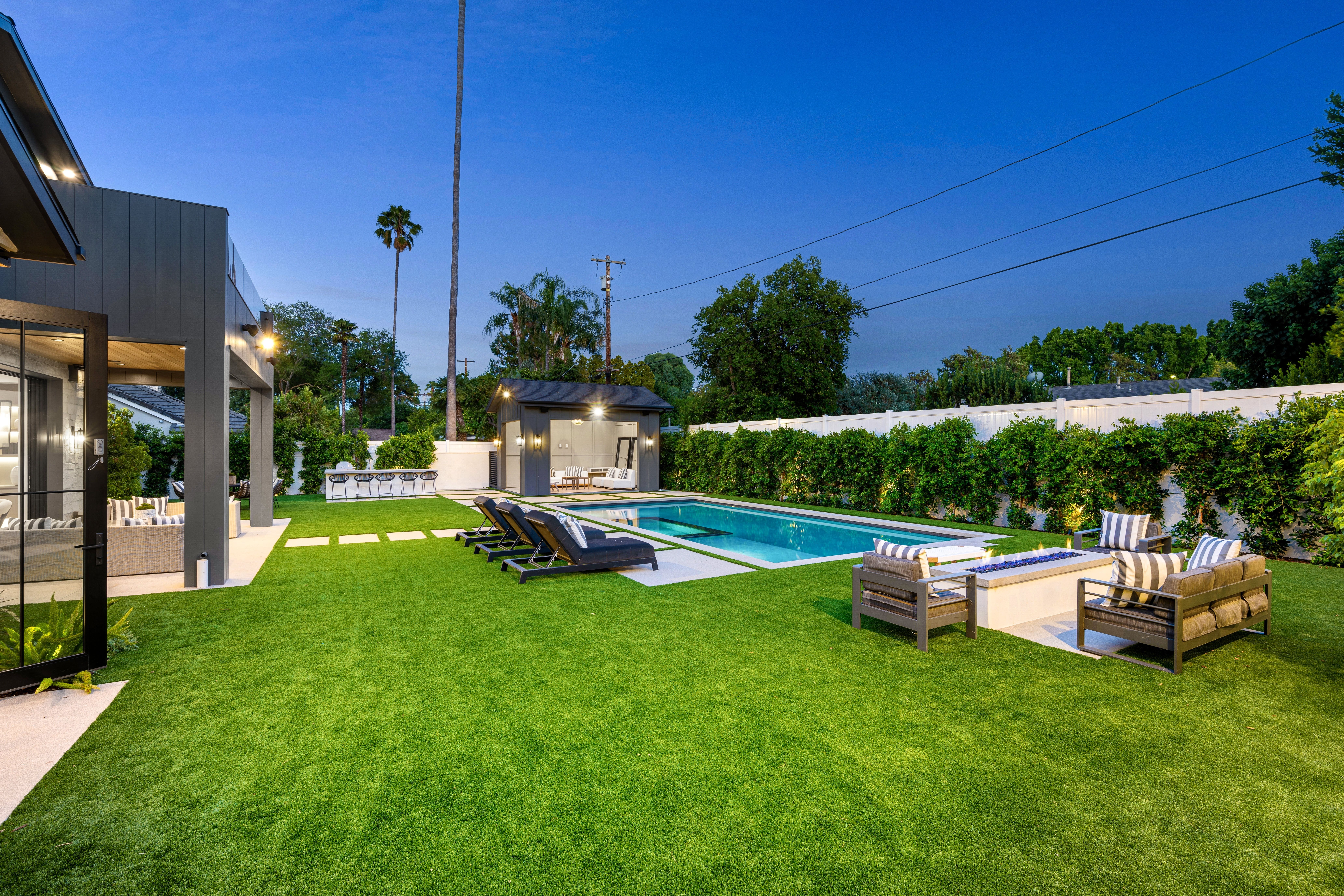
A well-designed home landscape does more than frame a house. It shapes how outdoor spaces are used, how they feel across the seasons, and how seamlessly architecture, function, and nature come together. The most successful landscapes are not the result of isolated plant choices or decorative features, but of thoughtful planning that considers layout, circulation, materials, drainage, lighting, and long-term maintenance from the outset.
Designing a landscape with intention creates an environment that feels balanced, practical, and inviting year after year. This guide outlines the essential steps, design principles, and planning considerations that help homeowners create a cohesive outdoor setting, from initial concept through construction and ongoing care.
Key Points at a Glance
- Effective home landscape design begins with planning and site analysis.
- Clear layout and circulation improve usability and visual balance.
- Hardscape and softscape must work together for durability and comfort.
- Material selection affects maintenance, safety, and longevity.
- Drainage planning protects both landscape features and the home.
- Outdoor lighting enhances safety, structure, and nighttime enjoyment.
- Seasonal considerations ensure year-round performance.
- Integrated design reduces long-term maintenance demands.
Why Landscape Planning Comes Before Design Details
Every successful residential landscape starts with a plan. Before materials are selected or plants are specified, it is essential to understand how the space will function and how it will be used throughout the year. Planning establishes priorities, aligns expectations, and prevents costly revisions later.
Functional zoning is a critical first step. Entry areas, outdoor living spaces, circulation routes, and quieter garden zones should be clearly defined and logically connected. When these relationships are resolved early, decorative and architectural elements can be layered in without compromising usability.
Many homeowners benefit from visualizing this process through concept drawings or 3D landscape design. Seeing scale, elevation changes, and spatial flow in advance helps confirm decisions before construction begins and ensures the finished landscape reflects the original vision.
Understanding Your Site Conditions
A well-designed landscape responds directly to its site rather than forcing a predetermined style onto the property. Factors such as slope, sun exposure, soil composition, and existing vegetation all influence layout and material choices.
Key site considerations include:
- Daily and seasonal sun patterns
- Natural drainage paths and low points
- Soil structure and compaction
- Existing trees and root zones
- Views to preserve or screen
- Proximity to neighboring properties
In climates with freeze–thaw cycles, understanding how water moves across the property is especially important. Proper grading and drainage support plant health, protect hardscape investments, and prevent long-term structural issues.
Establishing a Clear Landscape Layout
The layout provides structure and coherence. It determines how people move through the space and how different elements relate visually and functionally.
Strong landscape layouts typically feature:
- Direct, intuitive circulation between key areas
- Defined edges between gathering spaces and planting zones
- Focal points that anchor primary views
- Consistent alignments that echo the home’s architecture
Whether the design leans contemporary or traditional, consistency matters. Repeating materials, proportions, and geometries creates a sense of order that makes the landscape feel intentional rather than assembled over time.
Balancing Hardscape and Softscape Elements
Successful landscape design balances built elements with planting. Hardscape provides structure and usability, while softscape introduces texture, movement, and seasonal change.
Hardscape elements often include:
- Patios and terraces
- Walkways and steps
- Retaining and seat walls
- Integrated seating and planters
Softscape elements include trees, shrubs, perennials, and groundcover that soften edges and frame spaces. In a cohesive design, these components are planned together rather than treated as separate phases.
A unified approach to hardscape and softscape ensures the landscape functions as a complete outdoor environment, not a collection of individual features.
Choosing Materials That Support Long-Term Performance
Material selection has a lasting impact on both appearance and maintenance. Durable, climate-appropriate materials age more gracefully and reduce long-term upkeep.
When evaluating materials, consider:
- Slip resistance in walkways and outdoor living areas
- Durability under temperature fluctuations
- Color stability in direct sun
- Compatibility with surrounding architecture
Common Landscape Materials and Considerations
| Material Type | Best Uses | Benefits | Design Considerations |
|---|---|---|---|
| Natural stone | Patios, steps, walls | Durable, timeless appearance | Higher initial investment |
| Concrete pavers | Walkways, terraces | Consistent sizing, repairable | Requires proper base preparation |
| Porcelain pavers | Modern outdoor spaces | Low absorption, slip resistant | Precise installation needed |
| Wood or composite | Decks, screens | Warm, natural feel | Maintenance varies by product |
Limiting the number of materials and repeating them throughout the landscape strengthens visual cohesion and simplifies maintenance.
Integrating Drainage Into Landscape Design
Drainage should be addressed as part of the design, not as a correction afterward. Water management protects planting, preserves hardscape, and safeguards building foundations.
Effective drainage strategies include:
- Grading surfaces away from the home
- Using permeable materials where appropriate
- Incorporating swales or concealed drains
- Managing runoff from patios and hard surfaces
When drainage is integrated into the overall design, it becomes invisible yet highly effective.
Designing for Outdoor Living
Outdoor living spaces extend the home and should be designed with the same care as interior rooms. Comfort, accessibility, and proximity to indoor spaces all influence how often these areas are used.
Outdoor living design may include:
- Dining and entertaining patios
- Fire features for extended seasonal use
- Pergolas or shade structures
- Built-in seating and storage
These spaces function best when they are closely integrated with the overall landscape layout rather than added later as stand-alone features.
Landscape Lighting as a Design Element
Lighting shapes how a landscape is experienced after dark. Beyond safety, it adds depth, structure, and atmosphere.
A layered lighting approach typically includes:
- Path and step lighting for circulation
- Accent lighting for trees and architectural features
- Ambient lighting for outdoor living areas
Warm white light complements natural materials and creates a comfortable nighttime environment. Thoughtful placement and shielding prevent glare and preserve visual balance.
Seasonal Considerations in Landscape Design
A landscape should perform well beyond peak summer months. Seasonal planning ensures durability and visual interest throughout the year.
Key considerations include:
- Plant selections with winter structure and seasonal variety
- Materials suited to snow and ice conditions
- Clear routes for winter access and snow storage
- Flexible outdoor living spaces that adapt to changing weather
Designing with all seasons in mind reduces maintenance challenges and protects long-term investment.
Reducing Long-Term Maintenance Through Design
Low-maintenance landscapes are the result of good planning, not minimal planting. Grouping plants with similar needs, defining clear bed edges, and selecting durable materials all contribute to easier upkeep.
Strategies that reduce maintenance include:
- Limiting high-maintenance lawn areas
- Using groundcover and mulch to suppress weeds
- Choosing plants suited to local conditions
- Designing accessible layouts for care and cleaning
A landscape that is easy to maintain is more likely to remain healthy and attractive over time.
Common Landscape Design Mistakes to Avoid
Even visually appealing landscapes can suffer from avoidable design flaws.
Common issues include:
- Overcrowding plants without considering mature size
- Ignoring drainage during early planning
- Mixing too many materials or styles
- Poorly defined circulation paths
- Prioritizing appearance over function
Avoiding these mistakes helps ensure the landscape remains comfortable, durable, and cohesive.
Landscape Design Planning Checklist
| Step | Focus | Outcome |
|---|---|---|
| Site analysis | Sun, slope, drainage | Informed design decisions |
| Functional zoning | Use of space | Clear circulation |
| Material selection | Durability and style | Reduced maintenance |
| Drainage planning | Water management | Long-term protection |
| Lighting design | Safety and ambience | Extended usability |
| Seasonal strategy | Year-round performance | Consistent appeal |
Conclusion
Designing the perfect home landscape is a deliberate process rooted in planning, balance, and long-term thinking. By resolving layout, materials, drainage, lighting, and maintenance considerations early, homeowners can create outdoor spaces that feel cohesive, comfortable, and enduring.
A thoughtfully designed landscape enhances daily living and strengthens the connection between home and environment. For those seeking a comprehensive, design-build approach, Guy Robert Landscape & Design provides integrated landscape planning, construction, and outdoor living solutions tailored to Ottawa’s climate and architectural styles. With careful design and execution, a home landscape can remain functional and inviting for years to come.
Frequently Asked Questions About Designing the Perfect Home Landscape
How much does home landscape design typically cost?
Costs vary based on scope, materials, and site conditions. A clear plan helps prioritize features and manage budgets effectively.
When is the best time to start landscape planning?
Planning can begin at any time of year. Design often starts months ahead of construction to allow for approvals and scheduling.
Can landscape design reduce maintenance needs?
Yes. Strategic layout, plant selection, and material choices significantly reduce long-term upkeep.
How important is drainage in landscape design?
Extremely important. Proper drainage protects plants, hardscape, and building foundations.
Should landscape lighting be planned early?
Yes. Early planning allows lighting to be integrated discreetly and efficiently.
Is professional landscape design worth it?
Professional design ensures cohesion, durability, and functionality, often saving time and cost over the life of the landscape.
