

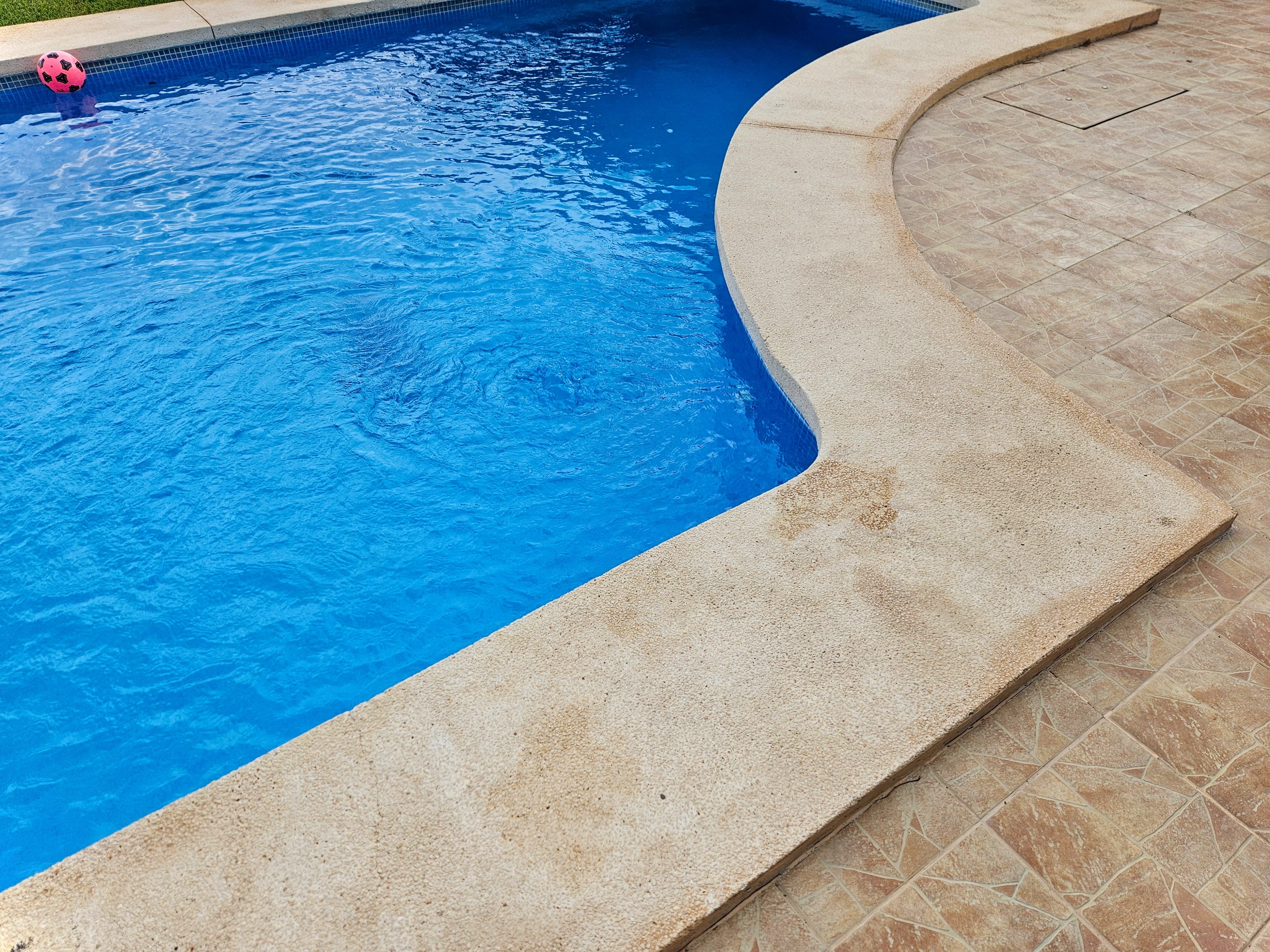
A shifting pool structure is one of the most serious concerns a homeowner can face. Structural movement can affect alignment, water retention, and long term durability. In Eastern Ontario, environmental pressures such as freeze-thaw cycles, prolonged spring saturation, heavy snow accumulation, and dense clay soils increase the likelihood of gradual displacement. Understanding the warning signs and the regional causes behind them allows property owners to respond early and protect their investment.
Before examining the technical causes in detail, it is important to recognize the practical indicators of structural movement. These warning signs often develop slowly and may initially appear cosmetic. Consistent observation throughout the year helps distinguish minor surface aging from deeper instability that requires professional review.
Key Structural Warning Signs
The following indicators commonly signal that a pool shell may be shifting beneath the surface. Each reflects interaction between soil conditions, moisture levels, and structural support systems. While individual symptoms may appear minor at first glance, patterns that persist across seasons often indicate underlying structural change.
- An uneven waterline that remains visible after refilling.
- Cracks that widen gradually instead of remaining stable.
- Separation between coping stones and surrounding decking.
- Sections of concrete deck that appear sunken or tilted.
- Persistent unexplained water level loss.
- Gaps forming between the pool shell and adjacent hardscape.
- Fencing, gates, or nearby structures becoming slightly misaligned.
When several of these conditions appear together, they often point to progressive movement below grade. While isolated cosmetic imperfections can occur naturally over time, measurable changes in elevation or widening cracks require evaluation. Early identification improves the likelihood of corrective measures before structural damage becomes extensive.
Environmental Forces in Eastern Ontario
The geology and climate of Eastern Ontario create distinct structural pressures. Pools in this region must withstand significant seasonal change, moisture variation, and soil expansion patterns unique to this part of Canada.
Winter Expansion and Frost Action
During winter, water trapped within the soil freezes and expands. This expansion, known as frost heave, exerts upward force on rigid structures. When temperatures rise in early spring, thawing soil contracts and settles. Repetition of this freeze and thaw cycle year after year can gradually alter the elevation of ground beneath a pool.
Heavy snow accumulation insulates some areas of soil while leaving others exposed to deeper frost penetration. As melting begins, rapid infiltration can oversaturate clay based soils. This spring snowmelt saturation reduces soil bearing strength and increases the likelihood of movement.
Extended freezing periods combined with temperature fluctuation in late winter can intensify soil stress. Where protective snow cover is inconsistent, frost may penetrate unevenly, contributing to localized shifting beneath the shell.
Clay Soil Behaviour
Many properties across the region contain dense clay soils that retain moisture for extended periods. Clay expands significantly when saturated and contracts during dry conditions. In humid summers followed by periods of lower rainfall, clay shrinkage may create voids along structural edges.
Unlike sandy substrates that drain quickly, clay slows water movement and prolongs saturation. This behaviour increases lateral pressure against the shell and contributes to instability when drainage is insufficient. Repeated swelling and contraction may gradually alter support conditions beneath the base.
Prolonged dry spells after wet seasons can amplify this effect. As moisture evaporates, small gaps may form between soil and structural components. Over time, these voids may compromise consistent contact along the pool perimeter.
Bedrock and Canadian Shield Conditions
Certain areas contain shallow bedrock associated with the Canadian Shield rock conditions found throughout Eastern Ontario. Bedrock itself provides firm support when excavation reaches consistent elevation. However, irregular rock surfaces can produce uneven bearing points if not properly levelled during installation.
Where rock transitions into clay pockets, the potential for differential settlement increases. One portion of the pool may remain firmly supported while another rests on moisture sensitive soil. Over time, even slight elevation differences can become visible at the waterline.
Understanding the interaction between rock and clay layers is essential when planning excavation depth and base preparation.
Construction Practices That Influence Structural Performance
Environmental forces alone do not determine whether a structure shifts. Installation quality and preparation methods strongly influence long term stability and structural resilience.
Base Preparation and Compaction
A properly prepared granular base distributes structural weight evenly across the entire footprint of the shell. During Fiberglass pool installation in Ottawa, installers compact crushed stone or similar material to create a level and stable foundation. Proper compaction removes air pockets and increases load bearing capacity.
If the base is uneven or inadequately consolidated, localized compression may occur under load. This compression leads to uneven support beneath different sections of the shell. Even minor inconsistencies at installation can translate into visible tilt over time.
Careful attention to elevation measurements during installation reduces the likelihood of uneven pressure points developing later.
Backfill and Lateral Support
The material placed around the exterior of the shell after positioning is known as backfill. Its purpose is to provide balanced lateral support while promoting water movement away from the structure. Clean stone is commonly selected because it encourages consistent drainage and resists expansion.
Organic soils or poorly graded fill may shift as moisture levels change. Uneven lateral pressure against the shell can gradually alter alignment. Maintaining uniform support around all sides of the pool reduces the likelihood of structural distortion.
Balanced compaction around the perimeter is just as important as preparation beneath the base.
Hydrostatic Uplift Pressure
When groundwater levels rise during extended rainfall or spring thaw, upward force develops beneath the pool floor. This force is called hydrostatic pressure. If internal water levels are reduced for maintenance or seasonal reasons, the upward force may exceed the downward weight of the filled structure.
Periods of sustained rainfall combined with groundwater fluctuation increase uplift risk. Without perimeter systems and proper grading, this pressure may contribute to gradual displacement.
Maintaining consistent water levels inside the pool helps counteract upward force during vulnerable seasons.
Surface Water Management and Drainage
Water control around the pool perimeter plays a critical role in preventing structural issues. Surface runoff must be directed away from the shell to prevent erosion beneath adjacent hardscape and decking. Effective water management protects soil integrity and supports long term performance.
Effective Landscaping in Ottawa involves establishing appropriate slope gradients so water flows away from the pool area. Downspouts should discharge beyond structural edges. Catch basins and subsurface systems may be incorporated to manage runoff effectively.
Proper drainage reduces the likelihood of soil softening and uneven support beneath the base. Understanding the importance of irrigation maintenance ensures that water systems do not contribute to subsurface erosion over time.
Grading adjustments after installation may be necessary if surrounding landscaping evolves over time.
Behaviour of Fiberglass Shells
Fiberglass shells possess slight flexibility compared to fully rigid materials. This flexibility allows limited accommodation of minor soil movement without immediate cracking. However, they remain sensitive to sustained uneven pressure and prolonged moisture imbalance.
During Fiberglass pool installation in Ottawa, installers must account for buoyancy forces and soil interaction. Because fiberglass structures are lighter than some alternatives, they rely heavily on balanced internal and external pressure.
If soil moisture increases dramatically around one side of the shell, distortion may begin subtly. Early indicators often include a sloping waterline or minor coping separation. These changes should not be dismissed as cosmetic without proper evaluation.
Monitoring alignment after heavy rainfall or spring thaw helps identify early displacement patterns.
Recognizing Settlement Patterns Over Time
Routine inspection is essential, particularly following winter thaw and heavy rainfall events. Consistent documentation helps determine whether visible changes are temporary or progressive. Comparing conditions from season to season provides valuable insight into structural behaviour.
The following patterns typically indicate progressive settlement rather than normal aging:
- Widening cracks that extend across multiple seasons.
- Measurable tilt from one side of the waterline to the other.
- Consistent coping separation along a single edge.
- Adjacent concrete slabs sinking toward the pool.
- Recurrent need to refill water without evaporation explanation.
When these changes continue over time, they often reflect underlying soil movement rather than surface wear. Observation after prolonged rainfall or extreme weather events provides additional clarity. Careful documentation supports informed professional assessment.
Planning Through Integrated Design
Many structural issues can be mitigated through thoughtful pre construction planning. Digital modelling provides insight into grading, elevation transitions, and water pathways before excavation begins.
Through 3D landscape design in Ottawa, designers evaluate slope direction, soil variation, and potential runoff concentration points. Modelling helps identify where reinforcement or grading adjustments may be required before installation proceeds.
Integrating pool placement into a comprehensive Backyard resort design ensures that structural considerations align with aesthetic and functional goals. Coordinated planning supports durability while preserving visual harmony within the yard.
Professional Assessment and Monitoring
When warning signs appear, structured evaluation clarifies the severity of movement. Professionals may measure elevation changes, examine drainage components, and review soil stability around the base.
Distinguishing cosmetic cracking from active displacement requires understanding of local soil behaviour and seasonal pressure cycles. In regions influenced by repeated climate variation, ongoing monitoring is essential to prevent escalation.
Guy Robert Landscape & Design emphasizes careful preparation and environmental evaluation during installation projects. Attention to grading, moisture control, and base preparation reduces exposure to the structural pressures common in this region.
Preventative Maintenance Practices
Preventative care supports long term structural integrity. Maintain consistent internal water levels to balance external forces. Inspect perimeter grading after heavy rainfall and repair erosion promptly. Clear drainage components of debris each season.
Spring inspection is particularly important following freeze and thaw transitions. Early detection of alignment changes allows timely intervention before displacement progresses further.
In landscapes shaped by clay expansion, heavy snow accumulation, and seasonal moisture shifts, vigilance remains the most effective defence. Pools constructed with proper preparation and maintained carefully are far less likely to experience significant structural movement.
Conclusion
Structural shifting rarely occurs suddenly. It develops gradually as environmental forces interact with soil composition, groundwater variation, and installation quality. In Eastern Ontario, seasonal expansion, snowmelt saturation, clay soil movement, and bedrock variation create conditions that demand informed oversight.
By monitoring waterline alignment, observing crack progression, and maintaining effective drainage systems, homeowners can identify early indicators of movement. Strategic planning through 3D landscape design in Ottawa and disciplined installation practices strengthen long term performance.
A properly installed and well maintained pool should remain level, secure, and visually integrated within its surroundings. Through careful preparation, consistent monitoring, and attention to environmental conditions, structural integrity can be preserved for decades despite the regional challenges unique to this climate.
