

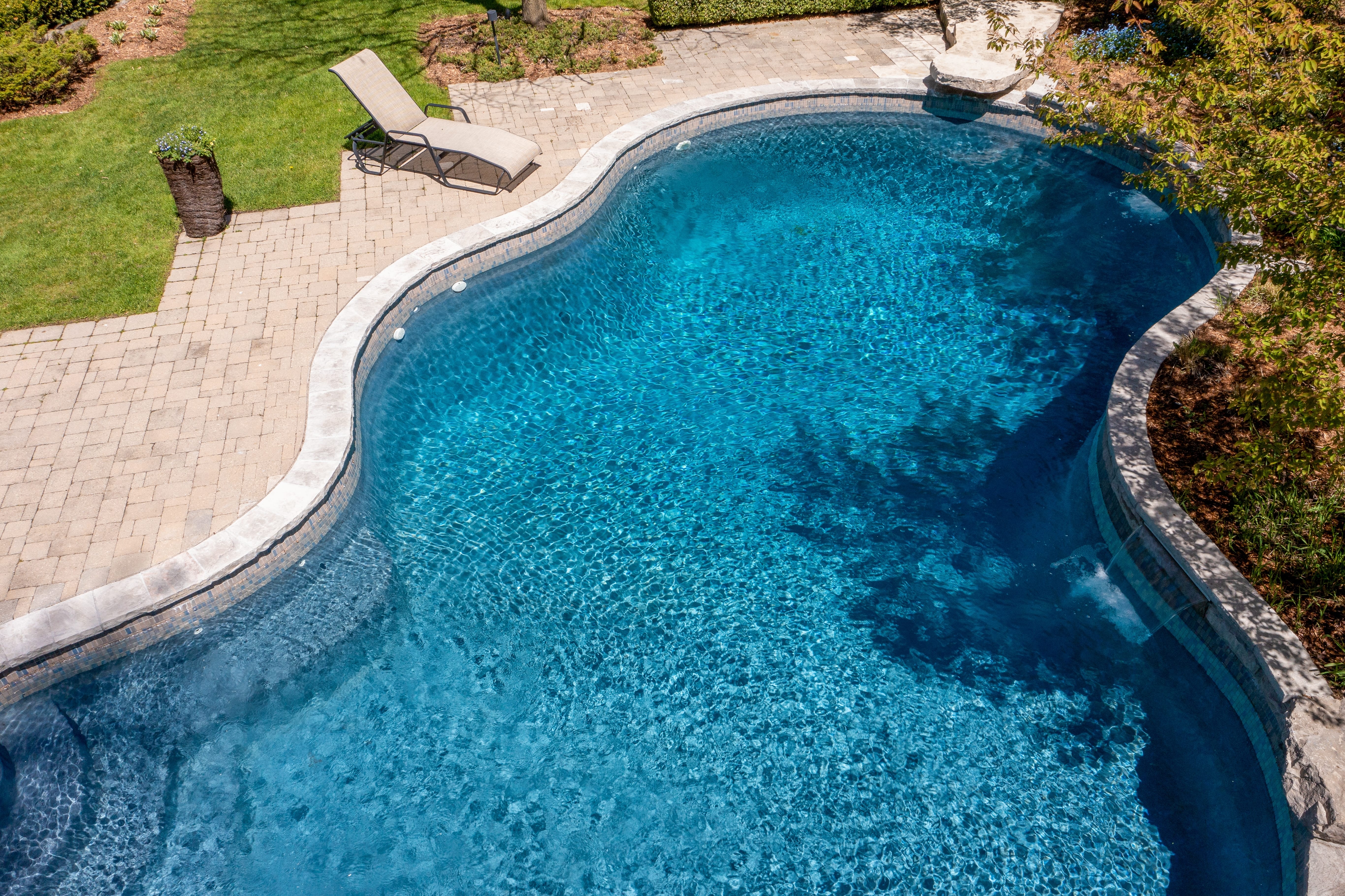
Introduction to Installing a Pool in a Sloped Backyard
Installing a swimming pool in a sloped backyard presents both an exciting opportunity and a complex challenge. With the right approach, a backyard with significant grade change can be transformed into a show-stopping outdoor environment. While flat terrain is often easier to work with, slopes allow for stunning architectural and landscaping features that turn a pool into a centerpiece.
This guide explores the benefits, obstacles, and design strategies involved in hillside pool construction. Whether you’re looking to add value, elevate your backyard’s visual appeal, or simply create a resort-style space at home, understanding what to expect from sloped pool installation is key to long-term success.
Challenges of Hillside Pool Construction
What Are the Common Challenges?
Hillside pool construction often involves significant groundwork. The uneven terrain may require excavation, fill, and custom structural reinforcements. Retaining walls are usually essential to support the soil and establish level surfaces. Drainage systems must be thoughtfully engineered to prevent erosion and water buildup around the pool area. Each of these steps adds complexity to the project.
Accessibility is also a common concern. Construction equipment may have difficulty reaching certain parts of the site, especially in urban or semi-urban areas. This can extend project timelines and affect overall costs.
The Impact of Soil Instability
Soil instability is one of the most serious risks when building a pool on a slope. Loose, sandy, or expansive clay soils may shift over time, which can damage the pool shell or decking. To address this, geotechnical assessments are often required at the outset. These evaluations help determine the exact composition of the soil and inform decisions around retaining systems, drainage, and footing design.
Depending on the results, extra measures such as helical piers, engineered backfill, or reinforced foundations may be necessary to ensure long-term stability.
Managing Water Runoff and Erosion
Sloped yards are more prone to water runoff, which increases the risk of erosion around the pool area. Without proper planning, stormwater can compromise the structural integrity of retaining walls or wash away landscaping. To address this, builders often install French drains, weeping tiles, or integrated gutter systems behind retaining walls.
Landscaping strategies also help. Using native plants with deep roots or groundcovers that resist erosion can provide natural protection against surface runoff.
Benefits of Having a Pool on a Hill
Enhancing Property Aesthetics
A well-designed hillside pool can significantly elevate the aesthetic appeal of a property. The slope provides natural opportunities for layering, framing views, and creating dramatic transitions between different elevations.
Infinity edge pools, in particular, work exceptionally well in these settings. The water appears to flow endlessly over the edge, blending the pool seamlessly into the view beyond. This is especially impactful on properties that overlook forests, lakes, or valleys.
Unlocking Unique Design Possibilities
Hillside installations open the door to creative pool designs. Multi-level terraces can be used to divide the yard into zones for lounging, dining, and swimming. Features like integrated hot tubs, cascading waterfalls, or sun decks can be added to different tiers of the slope.
Raised platforms and walkways allow movement across the space without needing extensive excavation. These elements contribute to a multi-dimensional, resort-like feel that simply isn’t possible on flat lots.
Site Assessment and Preparation
Importance of a Full Site Assessment
Before a single shovel hits the ground, a full site analysis is crucial. This involves evaluating the slope gradient, soil composition, existing drainage paths, and potential structural risks. A comprehensive assessment helps avoid surprises during construction and ensures the design is tailored to the land’s natural features.
It also allows for environmentally responsible development, minimizing disruption to existing vegetation and ecosystems while making the most of sun exposure and natural wind patterns.
Determining Soil Type and Gradient
Soil testing is used to classify the terrain; whether it’s rocky, loamy, clay-based, or a mix. Each type behaves differently under stress, which directly influences the type of support systems required.
Surveying tools are used to measure the slope’s angle. This data helps engineers determine where and how to build the pool, whether the land can be cut and filled, or whether a fully elevated structure is needed.
Considering Environmental Factors
For residents in climates like Ottawa, it is also important to assess frost depth, seasonal water flow, and sun orientation. These factors affect not only the construction process but also long-term maintenance. For example, south-facing slopes may require additional shade planning to reduce UV exposure and heat buildup.
Techniques for Installing Pools on Sloped Yards
Leveling and Its Role
Leveling involves reshaping the terrain to create a flat surface. On mild slopes, this can be achieved by redistributing soil. On steeper sites, backfilling and compacting are required. The goal is to create a foundation that is perfectly stable and level, which reduces the risk of cracking, shifting, or uneven water flow within the pool.
Grading for Gentle Slopes
Grading is often used for moderate slopes where full leveling is not required. It involves shaping the earth to direct water away from the pool area, preventing water accumulation that could weaken foundations. Precision is key; miscalculations can lead to flooding or soil displacement over time.
Retaining Walls and Terracing
Retaining walls are essential for steep slopes. They hold back soil and provide structural support for the pool and surrounding hardscapes. These walls can also double as seating areas or be designed to feature lighting, water features, or planting pockets.
Terracing involves creating several flat levels or steps along the slope. Each terrace can house a different function such as dining, lounging, or sunbathing. This approach is especially effective for maximizing vertical space and creating visual interest.
Design Innovations for Sloped Backyard Pools
Why Infinity Edge Pools Work So Well
Infinity edge pools use the slope to their advantage by creating the illusion that the water flows off into the horizon. The slope makes it easier to implement this visual effect, often without extensive structural additions. When paired with proper lighting and landscaping, an infinity pool becomes a dramatic focal point.
The Power of Multi-Level Terraces
Multi-level terraces make even the steepest backyard feel purposeful and accessible. These tiers can be connected by stairs or natural stone pathways, offering smooth transitions between zones. From a design standpoint, each level presents a canvas for creativity, whether it’s a fire feature, spa, or shaded pergola.
Elevated Decks for View and Function
Elevated decks allow for improved vantage points, particularly when the pool is set lower into the slope. These decks can include railings with glass panels for unobstructed views, outdoor kitchens, or even hot tubs. Built properly, a deck becomes an outdoor room in itself.
Materials and Construction Considerations
Best Pool Materials for Slopes
Concrete is typically the most versatile and structurally sound material for sloped installations. It allows for custom shaping, depth variation, and reinforcement where needed. Vinyl-lined pools are budget-friendly but may require more frequent maintenance. Fiberglass is suitable for some slopes but needs precise site prep and careful installation to avoid cracking or shifting.
Why Concrete Is Preferred
Concrete pools can be fully customized to match the slope’s contours. They can incorporate retaining walls directly into the shell design and withstand environmental stress better than most alternatives. Their long life and design flexibility make them ideal for hillside properties.
Considerations for Fiberglass Pools
Fiberglass pools are pre-molded, which limits design flexibility. They require flat, stable ground and extensive excavation or backfilling on sloped lots. Retaining structures and base reinforcement are often necessary, which increases cost and complexity.
Cost Implications and Budgeting
How Slope Impacts Costs
The steeper the yard, the higher the costs. Key cost drivers include excavation, retaining walls, structural reinforcement, and drainage systems. Even access for machinery can affect pricing. For this reason, homeowners should secure detailed, itemized quotes from experienced contractors.
Budget Factors to Consider
Beyond construction, landscaping, lighting, fencing, and decking all contribute to the final price. Add-ons like hot tubs, water features, or automation systems can increase the investment but also enhance property value. In many cases, the added functionality and beauty of a sloped pool justify the extra expense.
Landscaping Ideas for Sloped Yards
Functional and Beautiful Landscape Design
Landscaping helps stabilize the slope while also enhancing beauty. Layered planting beds, retaining walls with integrated lighting, and curved pathways can all be used to soften hard edges and create an inviting environment.
The Role of Tropical and Native Plants
Trees and shrubs with deep root systems help anchor the soil and reduce erosion. Groundcovers like creeping thyme or sedum prevent runoff while adding colour and texture. Low-maintenance options that thrive in your region ensure year-round appeal and ecological harmony.
Safety and Maintenance Measures
Key Safety Features
All hillside pools should include non-slip surfaces, handrails, and proper lighting. Fencing must comply with local regulations, especially where slopes could create fall risks. Regular inspections of structural elements like retaining walls and decking are also essential.
Why Ongoing Maintenance Is Crucial
Sloped pools are more exposed to shifting soil and water damage. Routine maintenance helps identify small issues before they become structural problems. This includes checking drainage paths, cleaning debris, and maintaining all waterproofing systems.
Regulations and Permits
Key Regulatory Considerations
Local building codes often include requirements specific to sloped sites, such as minimum wall heights, railing safety, and slope tolerances for walkways. In some regions, additional permits may be needed for retaining structures or water management systems.
Navigating the Process
Hiring a company familiar with sloped pool construction, like Guy Robert Landscape & Design, can streamline the permitting process. They can assist with designs that meet both aesthetic goals and compliance needs, helping avoid costly delays or retrofits.
Summary Table: Sloped Backyard Pool Insights
| Aspect | Key Considerations |
|---|---|
| Design Potential | Infinity edges, multi-level terraces, elevated views |
| Common Challenges | Soil instability, erosion, difficult access, runoff |
| Construction Techniques | Leveling, grading, retaining walls, terracing |
| Materials | Concrete preferred for stability and customization |
| Cost Factors | Retaining structures, earthworks, access, drainage |
| Landscaping | Erosion control, aesthetics, native and deep-rooted plants |
| Safety & Maintenance | Lighting, railings, inspections, fencing |
| Permits & Compliance | Local bylaws, slope-specific standards, professional guidance |
Key Takeaways for Homeowners
Installing a pool in a sloped backyard comes with added complexity but also unmatched design potential. When approached strategically, the slope becomes an asset rather than a limitation. From breathtaking views to architectural creativity, hillside pools offer a one-of-a-kind outdoor experience.
Working with experienced professionals, such as the team at Guy Robert Landscape, ensures your pool project is built to last. Whether you are in Ottawa or elsewhere in the region, a well-executed sloped pool can transform your backyard into a personal retreat that blends engineering with elegance.
