

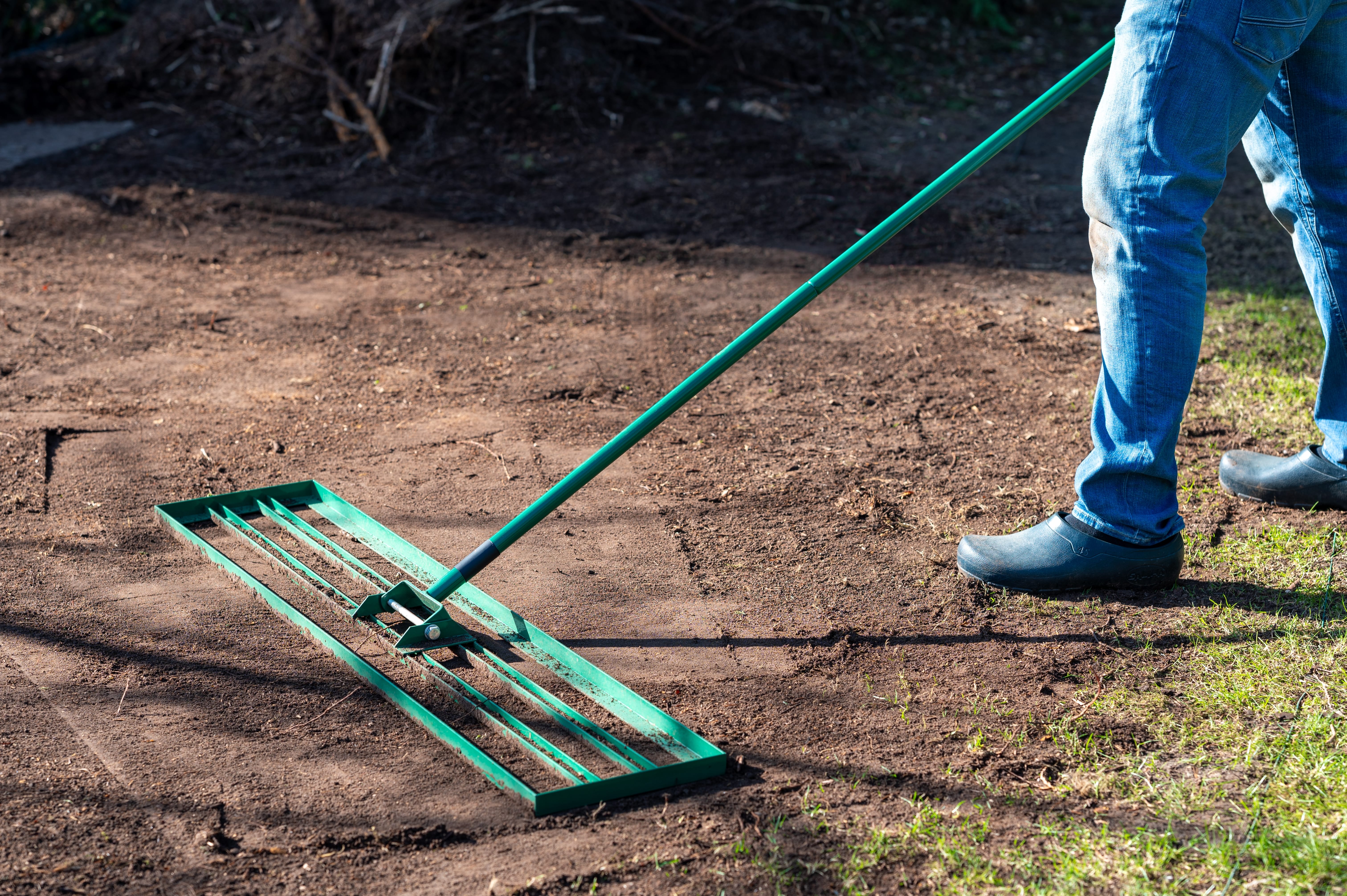
Heavy snow accumulation, rapid spring snowmelt, and humid summers create persistent moisture challenges for residential properties in Eastern Ontario. When runoff is not directed safely away from the home, water can collect along foundation walls and increase the risk of basement intrusion and structural stress. Proper grading is one of the most effective methods for managing surface water and preserving long term stability. In a region defined by repeated freeze thaw cycles, clay heavy soils, and areas of shallow Canadian Shield rock, land shaping must be deliberate and technically informed. This article explains how strategic grading prevents water damage and supports durable outdoor environments.
Key Points Summary
Effective grading must respond to regional climate patterns, soil composition, and structural protection requirements specific to Eastern Ontario. The following principles summarize the most important technical considerations for preventing water damage in residential backyard settings.
- A continuous outward slope directs surface runoff away from foundation walls.
- Clay based soils require careful compaction to reduce pooling and settlement.
- Freeze thaw cycles alter soil density and must be addressed during installation.
- Downspout extensions reduce concentrated roof discharge near the structure.
- Surface swales guide excess water toward controlled drainage areas.
- Coordinated elevation planning protects patios, planting beds, and pool installations.
- Seasonal inspections preserve slope integrity after winter and spring melt.
When implemented together, these measures allow the yard to function as a managed drainage surface rather than a collection basin. Grading is not aesthetic alone. It is a structural safeguard that reinforces foundation performance and protects long term landscape investment.
Climate Pressures and Moisture Dynamics
Eastern Ontario experiences wide seasonal variation. Winter frost penetrates deeply into the soil profile, and rapid thaw conditions release substantial volumes of meltwater within a short timeframe. Because the ground often remains partially frozen during early spring, infiltration is limited and surface runoff increases significantly.
When surrounding soil becomes saturated, hydrostatic pressure develops along foundation walls. Hydrostatic pressure refers to the force exerted by standing or slow moving water against a solid surface such as poured concrete. If sustained, this pressure can push moisture through microscopic pores or small cracks. Repeated exposure may contribute to damp conditions, interior air quality concerns, and gradual material deterioration.
Effective grading reduces this risk by encouraging water to travel outward before it infiltrates deeply into the soil. Instead of pooling beside the structure, runoff follows a controlled path toward lower discharge zones. This managed movement decreases stress on below grade walls and supports long term structural durability.
In projects involving Landscaping in Ottawa, elevation assessment is a foundational step. Designers analyze how precipitation will move across the property during peak weather events and refine contours to prevent unintended concentration points.
Soil Composition, Clay Behaviour, and Canadian Shield Influence
Soil conditions across the region vary considerably. Many residential areas rest on dense clay deposits that retain moisture for extended periods. Other properties are influenced by shallow bedrock associated with Canadian Shield formations, where thin soil layers restrict absorption capacity.
Clay soils drain slowly, increasing the likelihood of surface saturation after heavy rainfall or spring melt. Without adequate slope, water may linger near the foundation and elevate moisture exposure. Over time, persistent saturation reduces soil strength and increases settlement risk.
Compaction is therefore critical. Soil should be placed and compacted in measured layers to reduce post construction movement. If fill material is loosely installed, it may settle unevenly and create depressions that trap water. Conversely, excessive compaction can accelerate runoff velocity and contribute to erosion, defined as the displacement of soil by moving water.
Freeze thaw cycles further influence soil behaviour. When moisture within the soil freezes, it expands. During thaw, small voids may remain, subtly altering established slopes. Grading strategies must anticipate these seasonal changes to preserve consistent drainage performance year after year.
During fiberglass pool installation in Ottawa, soil preparation demands particular attention. Saturated soil surrounding a pool shell increases lateral pressure and may compromise stability. Correct compaction and outward slope orientation protect both the pool structure and adjacent foundation walls.
Designing Continuous and Controlled Slopes
Effective grading begins with establishing a consistent outward slope from the home on all sides. The slope does not need to be steep, but it must be continuous and measurable. Even minor reverse grades can redirect water toward the foundation and create long term moisture concerns.
Roof runoff requires careful coordination. Downspouts concentrate significant volumes of water at defined discharge points. Extensions carry this water farther from the structure, reducing localized saturation. When combined with appropriate ground slope, this approach significantly decreases water accumulation near foundation walls.
Surface swales provide additional control. A swale is a shallow, gently contoured channel designed to guide runoff discreetly across the yard. When positioned strategically, swales move excess water toward designated discharge areas without disrupting visual cohesion.
The material placed against foundation walls is known as backfill. Backfill must be compacted carefully to avoid voids that could retain moisture. In clay dominated areas, blending compatible materials improves drainage behaviour while maintaining stability. Attention to this detail strengthens the overall grading system and enhances overall stability.
In larger Backyard resort design projects, slope coordination becomes even more important. Patios, seating zones, and pool decks must align with established grade lines. Hardscape edges should complement runoff direction rather than obstruct it. This ensures that visual enhancements do not interfere with functional drainage and long term performance.
Integrating Grading With Comprehensive Landscape Planning
Grading performs best when incorporated early in the planning process. Modern 3D landscape design in Ottawa uses elevation modelling to visualize contours before construction begins. Digital modelling enables designers to simulate runoff patterns and refine slopes to prevent future drainage conflicts.
Elevation control also benefits visible landscape features, ensuring that patios, planting beds, and pool areas remain firm and accessible. When grading fails to direct water away from these surfaces, it can lead to shifting and surface damage; understanding how to repair and prevent pool deck cracks is essential for maintaining the longevity of your hardscape after the foundation has been stabilized.
In comprehensive landscaping in Ottawa projects, grading forms the structural base upon which visible features depend. Planting beds should be positioned so they do not trap water against the home. Retaining edges must allow controlled passage of runoff rather than acting as unintended barriers.
Drainage systems may include subsurface components where conditions demand additional support. However, surface shaping remains the first line of defence. When runoff is managed effectively above ground, less water infiltrates deeply near foundation walls, reducing prolonged exposure and structural stress.
Technical Principles That Support Durability
Successful grading relies on coordinated technical practices that respond to local climate and soil behaviour. The following principles are commonly applied in residential projects throughout Eastern Ontario.
- Establish a continuous outward slope from the foundation perimeter.
- Compact soil in controlled layers to reduce post construction settlement.
- Blend compatible materials to maintain consistent drainage characteristics.
- Extend downspouts to prevent concentrated discharge at foundation walls.
- Shape swales to guide runoff toward designated outlets.
- Inspect grade levels after winter to identify frost related movement.
Each principle reinforces the others. When implemented collectively, they create a resilient system that protects structural components and surface features. Neglecting one element can compromise overall effectiveness.
Correct slope geometry cannot compensate for poorly positioned downspouts. Likewise, carefully shaped swales cannot overcome inadequately compacted soil. A unified strategy ensures that water is directed consistently across the property, preserving long term durability.
Seasonal Inspection and Ongoing Maintenance
Even well executed grading requires periodic evaluation. After heavy snowfall and spring thaw, subtle depressions may appear as soil consolidates. Addressing these areas promptly prevents pooling and prolonged saturation.
Homeowners should review downspout extensions to confirm that they remain secure and unobstructed. Debris can redirect water toward vulnerable zones. Surface areas around patios and planting beds should also be inspected for signs of settlement or irregularities.
Balanced compaction supports effective drainage while maintaining surface stability. If soil becomes overly loose, it may settle and alter slope direction. If it becomes excessively compacted, runoff velocity may increase and accelerate erosion potential.
During fiberglass pool installation in Ottawa, professionals often reassess surrounding elevations after the first seasonal cycle. Minor adjustments at this stage prevent larger corrective measures later. This measured approach reflects a commitment to long term functionality rather than short lived results.
Elevation Management and Foundation Protection
The foundation represents the structural core of the home. Its performance depends heavily on surrounding soil conditions. When soil remains consistently saturated, its load bearing capacity decreases. Over time, this may contribute to settlement or minor structural movement.
By directing runoff away from foundation walls, grading reduces sustained moisture contact and limits hydrostatic pressure. This proactive management preserves material integrity and supports long term stability. Elevation control also benefits visible landscape features, ensuring that patios, planting beds, and pool areas remain firm and accessible.
In Backyard resort design initiatives, water management is inseparable from visual planning. Seating areas, paver surfaces, and landscape elements must align with slope requirements. Aesthetic objectives should never override functional performance. Thoughtful planning ensures that protection and design work together in a balanced and technically sound manner.
Guy Robert Landscape & Design approaches grading as a technical discipline grounded in soil science, structural awareness, and climate responsiveness. Through careful evaluation of site conditions, each project is structured to respond to environmental pressures while maintaining cohesive outdoor form.
Subsurface Considerations and Water Migration Patterns
While surface grading is the primary defence against water accumulation, subsurface water movement must also be understood. In clay dominant soils, moisture can travel laterally through fine particles even when the surface appears dry. This movement may increase localized pressure near foundation walls if slopes are insufficient. For this reason, grading should account not only for visible runoff but also for how water migrates beneath the surface.
In areas influenced by shallow rock, thin soil layers may shed water rapidly during heavy rainfall. Without correct contouring, this rapid movement can overwhelm lower sections of the yard. Carefully calculated transitions between elevations help moderate flow velocity and distribute water safely.
Professional site analysis often includes reviewing historical drainage patterns, observing post thaw behaviour, and assessing soil consolidation after construction. These evaluations ensure that grading remains effective under both extreme and routine weather conditions. By addressing both surface and subsurface dynamics, the landscape performs as an integrated system rather than a collection of isolated features.
Conclusion
In Eastern Ontario, climate demands deliberate water management. Heavy snow, rapid thaw, humid summers, and clay based soils create recurring moisture challenges that require informed planning. Grading provides a dependable surface based solution that reduces hydrostatic pressure, limits soil saturation, and safeguards structural components.
By integrating slope planning into Landscaping in Ottawa, coordinating elevations during 3D landscape design in Ottawa, and ensuring stability throughout fiberglass pool installation in Ottawa, water movement can be managed before damage occurs. Comprehensive Backyard resort design projects rely on this technical foundation.
Through measured soil preparation, careful contouring, and consistent seasonal inspection, homeowners can maintain landscapes that remain stable and resilient year after year. Guy Robert Landscape & Design applies these principles to create outdoor environments that protect structural integrity while supporting confident enjoyment of the property.
